


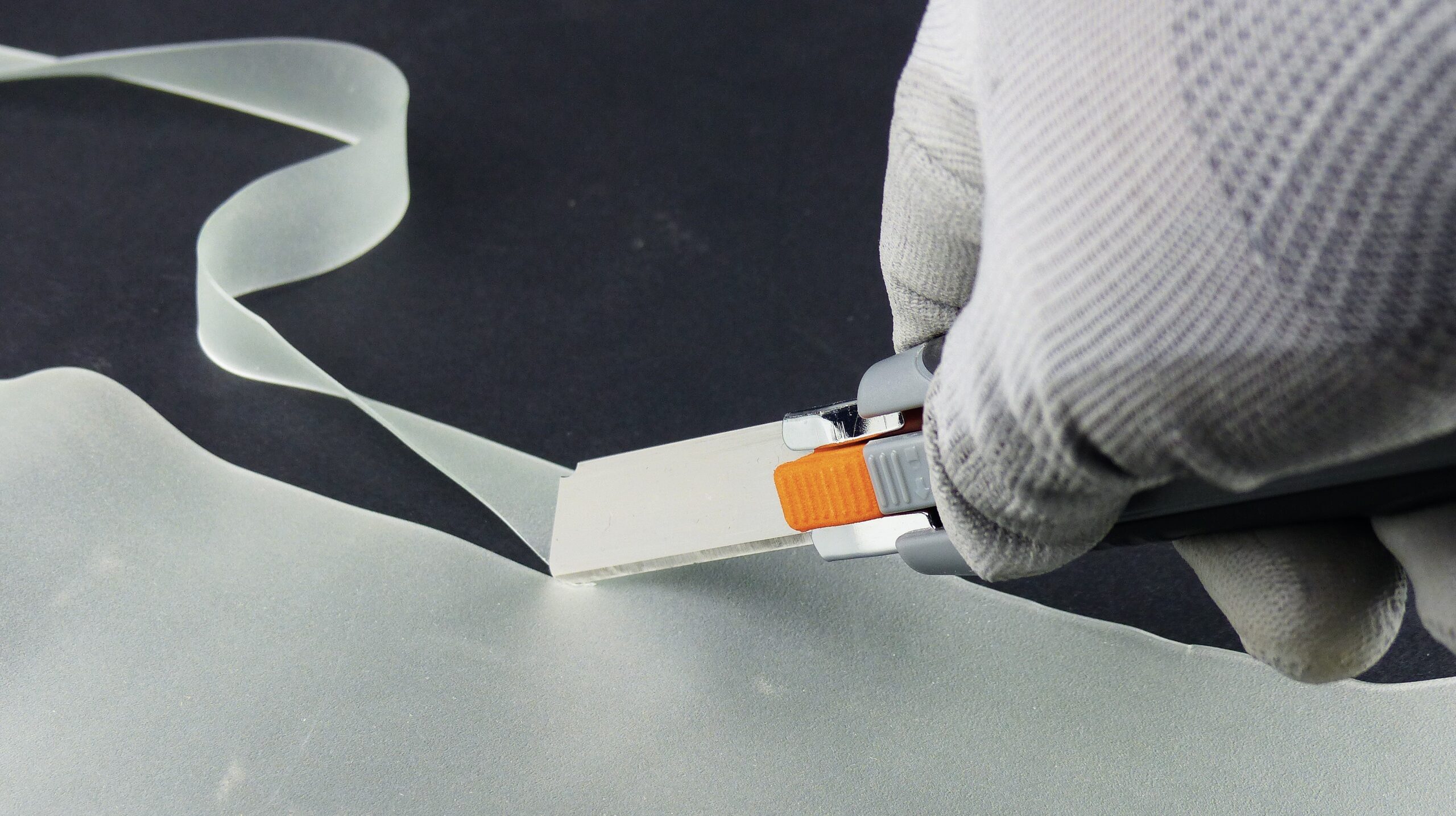
Choosing the right utility blade is essential for achieving a precise and efficient cut.
Whether you are working with cardboard, plastic, or even textiles, each material requires a specific blade to ensure clean and safe work.
Using an unsuitable blade can not only damage the material but also increase the risk of accidents.
In this article, we explain how to choose the ideal utility blade based on the material you want to cut.
CRITERIA FOR CHOOSING THE RIGHT UTILITY BLADE
The choice of blade depends on several criteria:
- The type of material to be cut: Each material has its own specific cutting requirements.
- The desired precision: Some blades allow for finer and more detailed cuts.
- Durability: Some blades, such as ceramic ones, offer an extended lifespan, but at the same time are more fragile and prone to breakage upon impact—for example, if they are dropped on the floor.
Steel blades are the most commonly used and offer a good compromise between durability and resistance. These characteristics depend on the frequency and manner in which the blade is used.
- Safety: Opting for a safety knife with a retraction system or a rounded-tip blade can reduce the risk of injury..
TYPES OF SAFETY KNIFE BLADES AND THEIR USES BY MATERIAL
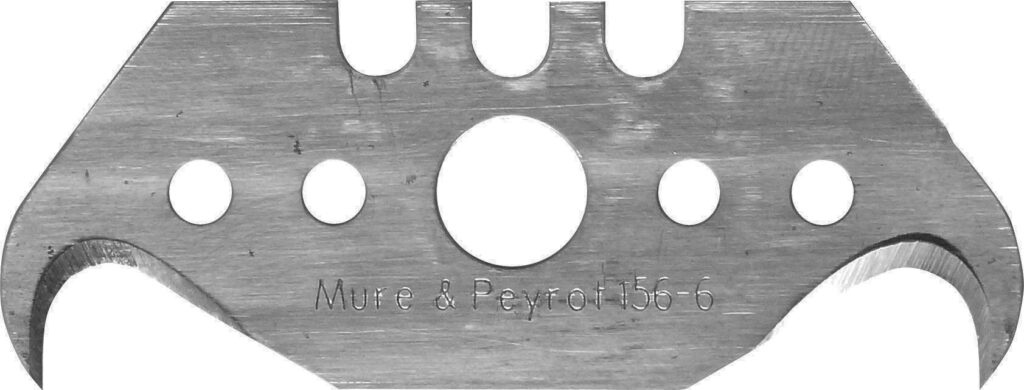
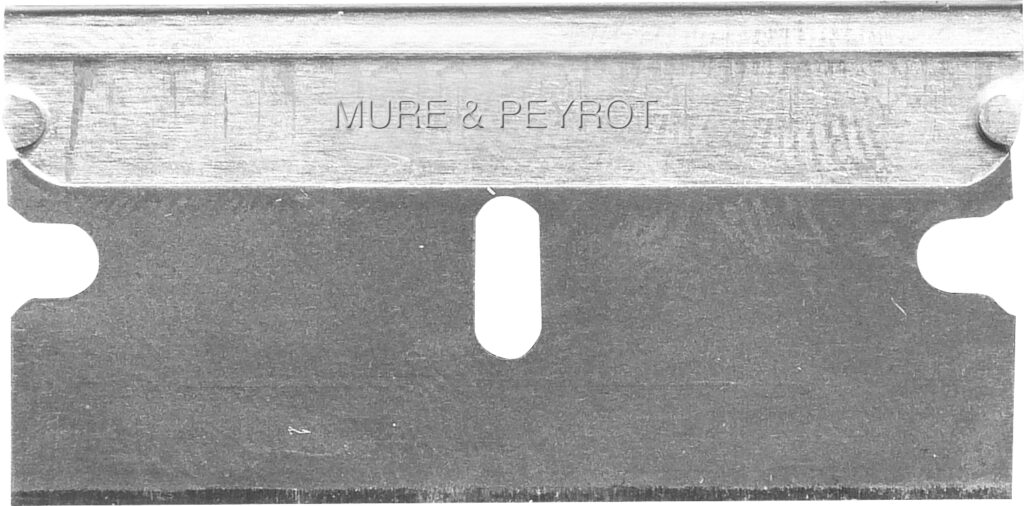
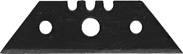
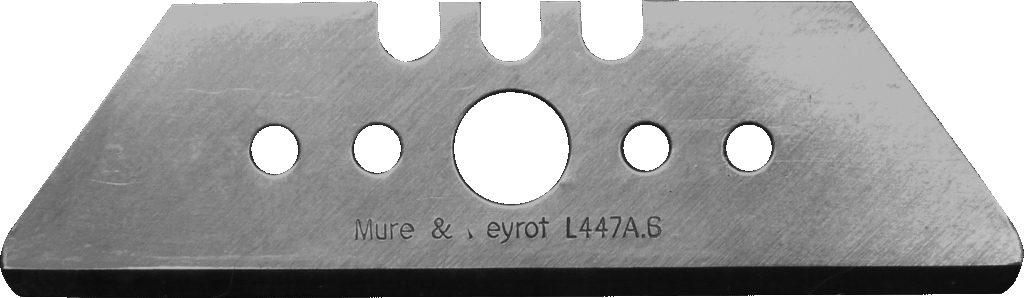
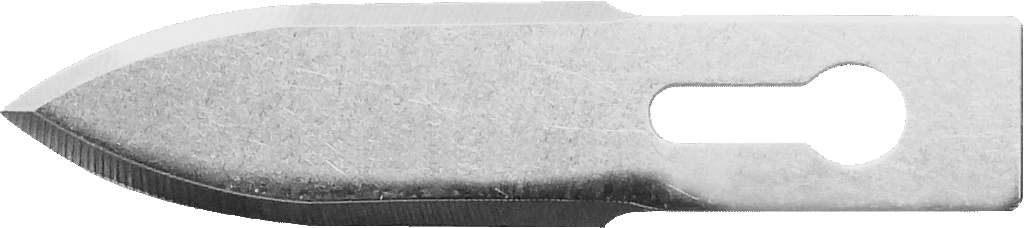
Here are the different types of blades and their applications:

SUMMARY TABLE OF BLADES AND COMPATIBLE MATERIALS
| Materials | Recommended blade type |
| Single and double-wall cardboard | Steel |
| Carpets, rugs, textiles | Steel hook and trapezoid blades |
| Plastic films | Steel |
| Packaging tapes | Steel |
| Bread dough (alimentary) | Stainless steel scoring blade |
| PVB | Steel, ceramic, plastic, and heel blades |
COMMON MISTAKES TO AVOID WHEN CHOOSING YOUR BLADE
- Using a dull blade: This leads to uneven cuts and increases the risk of injury.
- Choosing a blade that is not suited to the material: An unsuitable blade can damage the surface and cause premature tool wear.
- Neglecting safety: Always use a utility knife with a safety system and handle blades with care.
- Not maintaining your utility knife: Clean and replace blades regularly to ensure an optimal cut.
SAFETY AND ERGONOMICS: A MAJOR CHALLENGE
In many professional sectors, accident prevention is a priority. Using a safety knife significantly reduces the risk of injury. These tools are often equipped with automatic or semi-automatic retraction mechanisms, ensuring safer handling.
De plus, Comment choisir un cutter professionnel adapté à son métier ? c’est une question essentielle à se poser afin d’optimiser la productivité et de garantir le bien-être des utilisateurs.